
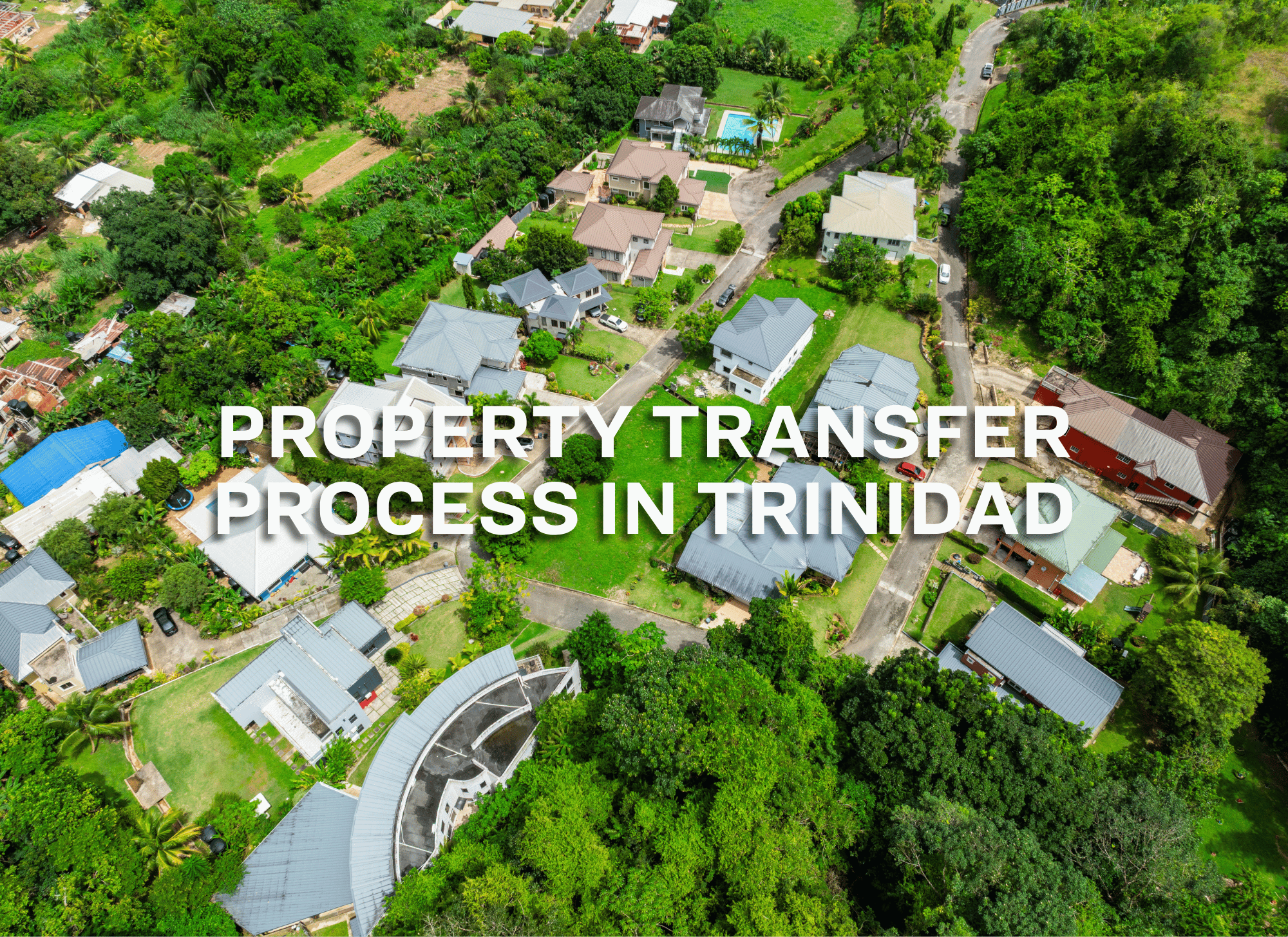
Buying or selling property is one of the biggest financial decisions most people will make. Whether you’re purchasing your first home, selling an investment property, or buying real estate from overseas, understanding the property transfer process in Trinidad can help you avoid delays, unexpected costs, and unnecessary stress.
A successful property transaction involves more than agreeing on a price. There are legal checks, financial requirements, government registrations, and several professionals working together to ensure ownership is transferred correctly.
At Terra Caribbean, we guide buyers and sellers through every stage of the process, helping ensure each transaction is completed smoothly and confidently.
What Is a Property Transfer?
A property transfer is the legal process of changing ownership of a property from the seller to the buyer. Once completed, the buyer becomes the legal owner of the property.
What transferring property ownership means
Ownership is transferred through legally prepared documents that are signed, stamped, and registered with the relevant government authorities. In Trinidad and Tobago, documents such as Deeds of Conveyance, Transfers, and Mortgages are registered through the Land Registry within the Registrar General’s Department.
When a property transfer takes place
A transfer occurs whenever a property is bought and sold, gifted, inherited, or otherwise changes ownership. Most residential transactions follow a similar process from offer acceptance to legal completion.
Why the legal process is important
The legal process protects both the buyer and seller by confirming ownership, identifying any legal issues affecting the property, and ensuring the transfer is properly registered. Registering the transfer is an important step in establishing legal ownership.
Step 1: Agree on the Sale
The property transfer process begins once the buyer and seller agree on the purchase price and key terms.
The parties usually sign an Agreement for Sale prepared by their attorneys. This agreement outlines the purchase price, completion date, deposit amount, and any conditions that must be satisfied before closing.
A deposit, commonly around 10% of the purchase price, is typically paid into the attorney’s escrow account, although the exact amount can vary depending on the agreement.
Step 2: Legal Checks Before the Transfer
After the agreement is signed, the buyer’s attorney begins the legal due diligence process.
This includes:
- Conducting a title search to verify ownership
- Confirming there are no outstanding mortgages, liens, or legal disputes affecting the property
- Reviewing previous deeds and legal records
- Confirming property boundaries and any registered plans
- Ensuring any required planning approvals are in place where applicable
These searches help protect buyers from purchasing a property with hidden legal complications. The Land Registry maintains records that attorneys use to verify ownership and registered interests.
Step 3: Arranging Financing
If the buyer requires financing, pre-qualification is a must! Final approval usually takes place alongside the legal searches.
The buyer submits their mortgage application, provides supporting financial documents, and arranges for the lender to value the property.
Once the mortgage is approved, the bank prepares its mortgage documentation while the attorneys continue preparing the transfer documents.
Buyers paying cash can generally move through this stage more quickly.
Step 4: Preparing the Transfer Documents
Once all conditions have been satisfied, the attorneys prepare the legal documents required to transfer ownership.
Depending on the property’s title system, these documents may include:
- Deed of Conveyance
- Memorandum of Transfer
- Deed of Assignment
- Mortgage documents (if financing is involved)
Before signing, both parties carefully review the documents to ensure all details are correct.
Step 5: Completing the Property Transfer
Completion day, often called “closing,” is when ownership officially changes hands.
During closing:
- The buyer signs the transfer documents.
- The seller signs the transfer documents.
- The remaining purchase price is paid.
- Mortgage funds are released to the vendor (where applicable).
- Keys and vacant possession are delivered if required.
After closing, the attorney arranges for the documents to be stamped and registered with the appropriate government authorities.
Only after registration is completed is the transfer fully reflected in the official records.
Costs to Expect During the Transfer
Purchasing or selling property involves more than the agreed purchase price. Buyers and sellers should budget for additional transaction costs.
Legal fees
Attorneys charge fees for preparing documents, conducting title searches, and completing the conveyancing process. This usually less than 1% of the value of the property.
Government taxes and duties
Most transactions require the payment of Stamp Duty before documents can be registered. Stamp Duty is administered by the Inland Revenue Division and applies to many real estate transactions, although exemptions and rates vary depending on the value and nature of the property.
Registration fees
After Stamp Duty has been paid, the transfer documents must be registered with the Land Registry.
Other possible costs
Additional expenses may include:
- Property valuation fees
- Survey costs
- Mortgage arrangement fees
- Insurance
- Bank legal fees
- Administrative costs
Working with experienced professionals early helps buyers understand these costs before closing.
How Long Does the Property Transfer Process Take?
Every transaction is different, but a straightforward residential transfer generally takes between six and twelve weeks from the signed Agreement for Sale to completion. More complex transactions can take longer depending on financing, title issues, or document preparation.
Common reasons for delays
Delays can occur because of:
- Slow mortgage approvals
- Missing legal documents
- Outstanding mortgages
- Title defects
- Boundary discrepancies
- Delays in obtaining government approvals
How to keep the process moving
Buyers and sellers can help by:
- Responding quickly to attorney requests
- Organizing financing early
- Providing required identification and documents promptly
- Working with experienced real estate professionals
Common Mistakes to Avoid
Many property transactions are delayed because of avoidable mistakes.
Some of the most common include:
- Not reviewing legal documents carefully
- Waiting too long to apply for mortgage financing
- Underestimating closing costs
- Choosing professionals without local property experience
- Failing to conduct proper legal searches
- Assuming every property transfer follows the same timeline
Being prepared from the beginning can save significant time and reduce unnecessary stress.
Why Work With Terra Caribbean Trinidad?
Buying or selling real estate involves much more than finding a buyer or choosing a property.
At Terra Caribbean Trinidad, we coordinate every stage of the transaction with trusted legal, financial, and valuation professionals to help keep the process on track.
Our team provides:
- Expert guidance from offer to completion
- Support for first-time buyers and experienced investors
- Assistance for overseas clients purchasing property in Trinidad
- Access to trusted attorneys, mortgage providers, and valuation specialists
- Clear communication throughout every stage of the transaction
With decades of experience in the Trinidad and Tobago real estate market, Terra Caribbean is committed to helping clients make informed decisions with confidence.
Conclusion
Understanding the property transfer process in Trinidad makes buying or selling property far less overwhelming. While every transaction is unique, the overall process follows a clear sequence: agreeing on the sale, arranging financing, completing legal checks, preparing the documents, paying the required taxes and fees, and registering the transfer with the relevant authorities.
Working with experienced real estate professionals and qualified attorneys helps reduce delays, avoid costly mistakes, and ensures your transaction is completed as smoothly as possible.
Whether you’re buying your first home, selling an investment property, or purchasing from overseas, Terra Caribbean is here to guide you every step of the way.
Ready to buy or sell property in Trinidad? Contact Terra Caribbean today and let our experienced team help make your next property transaction a success.